
Ayurvedic Superfoods for 2025 Everyone Should Try
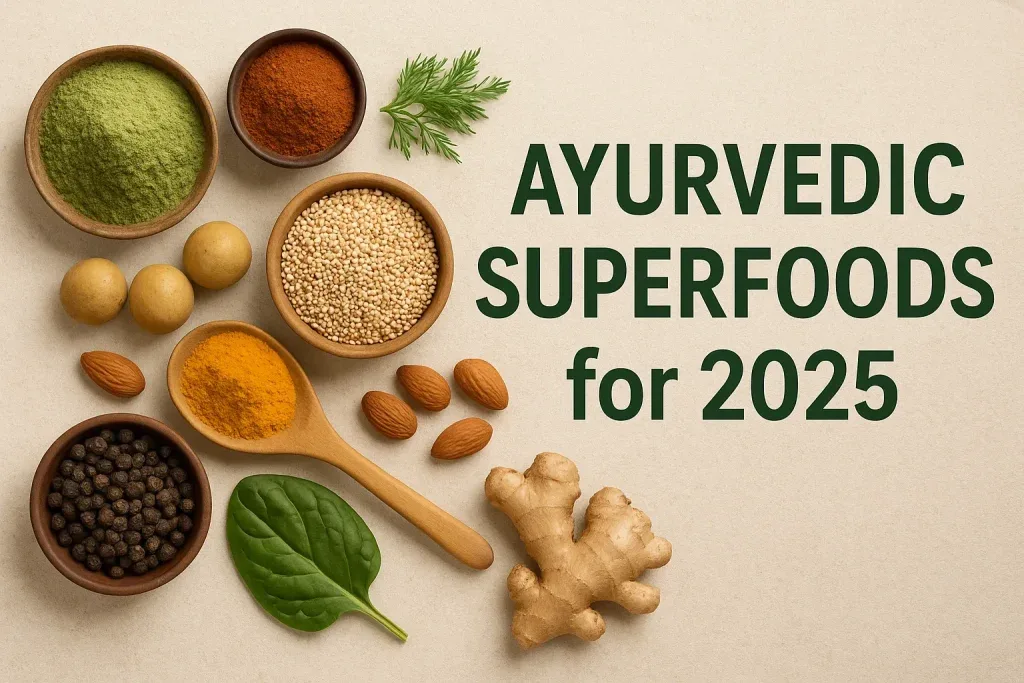
With busy lifestyles and long working hours, people are trying to achieve ancient wisdom with modern lifestyle trends in 2025. People are including plant-based diets, immunity boosters, and natural remedies in their lifestyles.
Ayurveda is gaining popularity day by day, and people are more eager to know about “superfoods” that were identified by Ayurveda thousands of years ago but were not in use. Ayurvedic superfoods are immunity-boosting herbs that are rich in nutrients and can easily be found in Indian households’ kitchens. Ayurvedic foods are known for balancing the dosha of the body, like preventing many infectious or allergic diseases while boosting overall health.
In this blog, we’ll discuss the top Ayurvedic superfoods for 2025 that are easy to use while boosting immunity, managing stress, or improving skin and hair health.
What Makes a Food an Ayurvedic “Superfood”?
According to Ayurveda, food is not only a source of energy, but it also acts as medicine if taken properly at the right time in the right quantity. A food is known as an Ayurvedic superfood when it helps in balancing the Vata, Pitta, and Kapha doshas of an individual.
The food must be nutritious with medicinal benefits, and it should be rich in vitamins, minerals, and antioxidant properties. It must be easily available & easy to get from nature and in our surroundings. You can get Ayurvedic in our own kitchens and gardens. Ayurvedic superfoods give long-term benefits as compared to modern or imported foods.
Top Ayurvedic Superfoods for 2025
1. Amla (Indian Gooseberry) – The Vitamin C Powerhouse
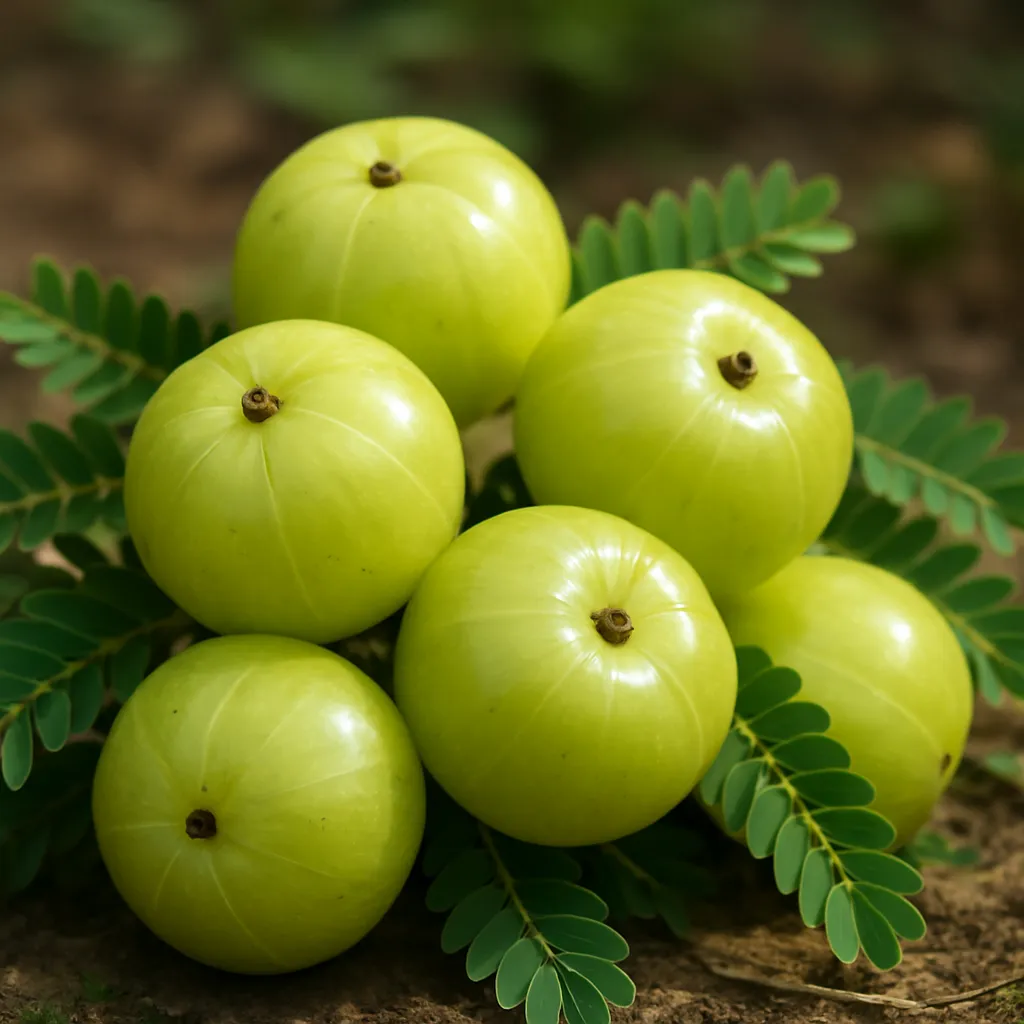
Amla has a sour and bitter taste that is rich in vitamin C. It is also known as Indian gooseberry, and is used as an immunity booster fruit in Ayurveda. Amla is known for its rich properties in vitamin C that helps in fighting diseases and infections by increasing the production of white blood cells.
It improves immunity, digestion, helps in hair growth, and improves hair strength. Amla juice can be taken in the morning, or you can mix amla powder in warm water that will give many health benefits while managing your weight.
2. Ashwagandha

Ashwagandha is known as the “Indian ginseng.” It helps in stress and anxiety management. It boosts stamina and sleep while balancing hormones. It is also used in weight management and height management.
You can take ashwagandha powder with warm milk at night, or you can add it to smoothies or consume it in the form of capsules/tablets. It is also known as a natural supplement for energy and muscle recovery.
3. Turmeric (Haldi)

Turmeric has the natural inflammatory properties and is known as the golden spice in Ayurveda. It is known for its powerful anti-inflammatory and antioxidant properties. It boosts joint health, improves digestion, and strengthens immunity.
It has been used for healing wounds while balancing Kapha and Pitta doshas since ancient times. You can consume turmeric by adding turmeric to dishes like vegetables, curries, or milk or by making herbal teas. And this will give you lots of health benefits at a lower cost.
4. Giloy (Guduchi)
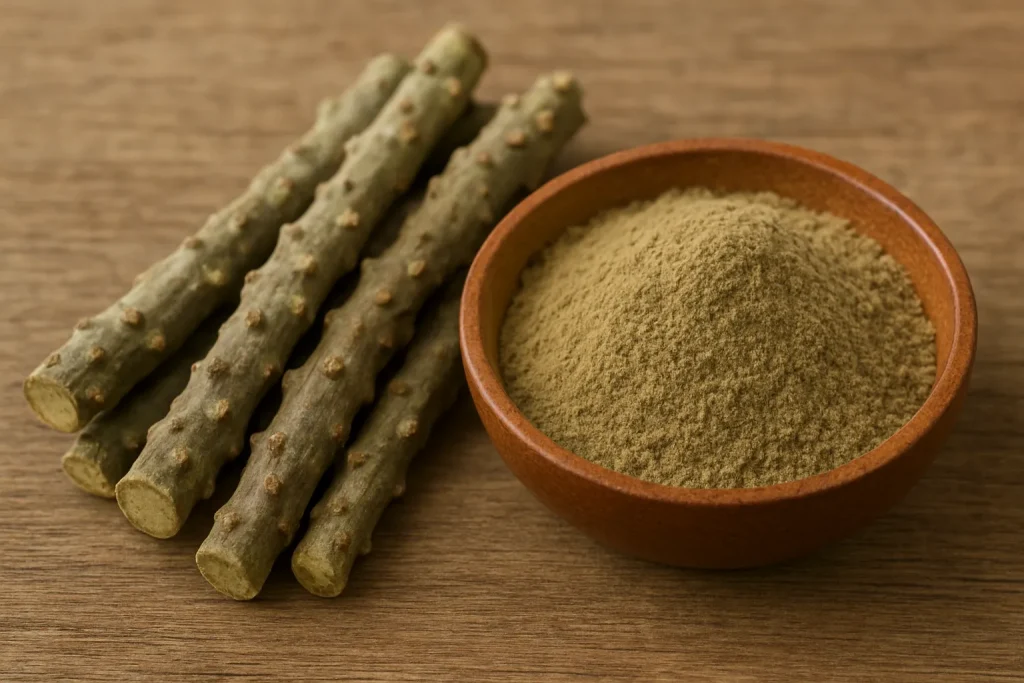
Giloy is known as the best immunity booster herb. It helps in recovery from infections, detoxifies the body, and helps in balancing blood sugar while boosting respiratory health. After the Covid pandemic, it is also used to boost the immune system.
You can drink giloy juice with warm water, consume giloy tablets, or add giloy powder to herbal tea to get the benefit of giloy.
5. Tulsi (Holy Basil)
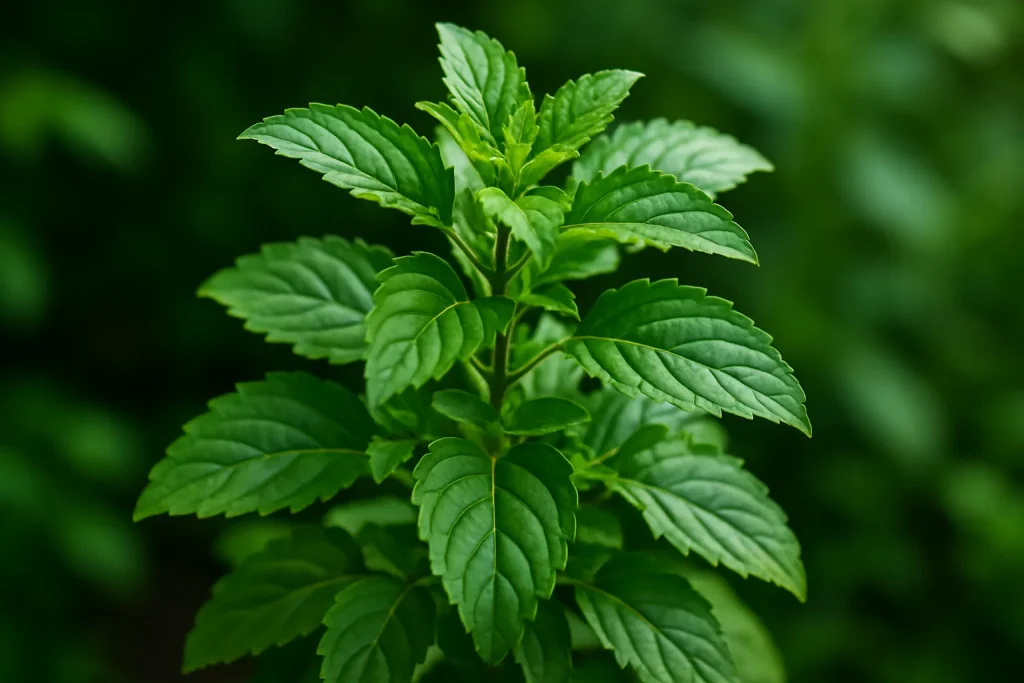
Tulsi is a plant that can be easily discovered in Indian households. It helps in managing respiratory issues, stress, and immunity. It is rich in antioxidant properties. It is also used as a natural detoxifier and mood booster.
In Ayurveda, tulsi is used for balancing Vata and Kapha while calming the mind. You can get benefits of tulsi in many ways, like you can drink tulsi tea daily, chew fresh leaves, or add two to three tulsi drops to water and then drink it.
6. Moringa (Drumstick Leaves)
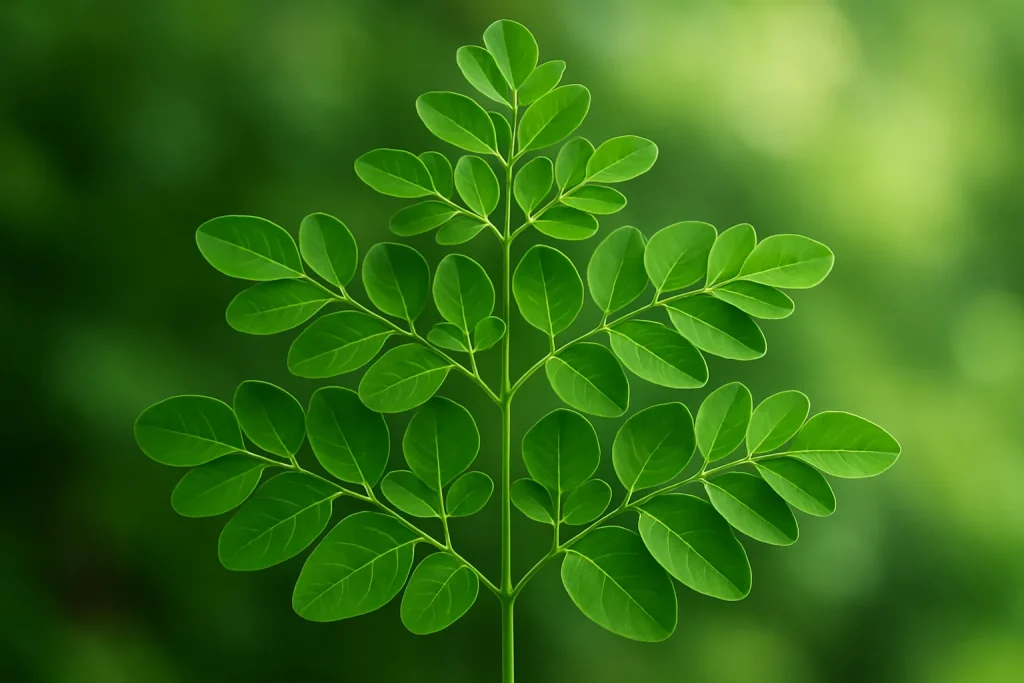
Moringa is known as the powerhouse of nutrients. It is rich in protein, calcium, iron, and essential amino acids. Moringa boosts energy, improves digestion, reduces inflammation, and improves skin and hair health.
You can use moringa powder in making smoothies, soups, or chapati dough that will boost the protein intake requirements of the day.
7. Ghee

Ghee is known as Ayurveda’s liquid gold. It is known as the best superfood for the brain, digestion, and immunity. Ghee is rich in healthy fats that are best for the weight concerns of people.
It lubricates joints, nourishes tissues, improves memory, and helps in boosting gut health. Ghee balances Vata and Pitta while boosting energy in the body.
Ghee is used in making paratha and pulao, and it can be consumed by adding it to dal, rice, and rotis. Ghee is known as a healthy fat alternative.
8. Millets – (As Ayurveda + 2025 UN Year of Millets trend)
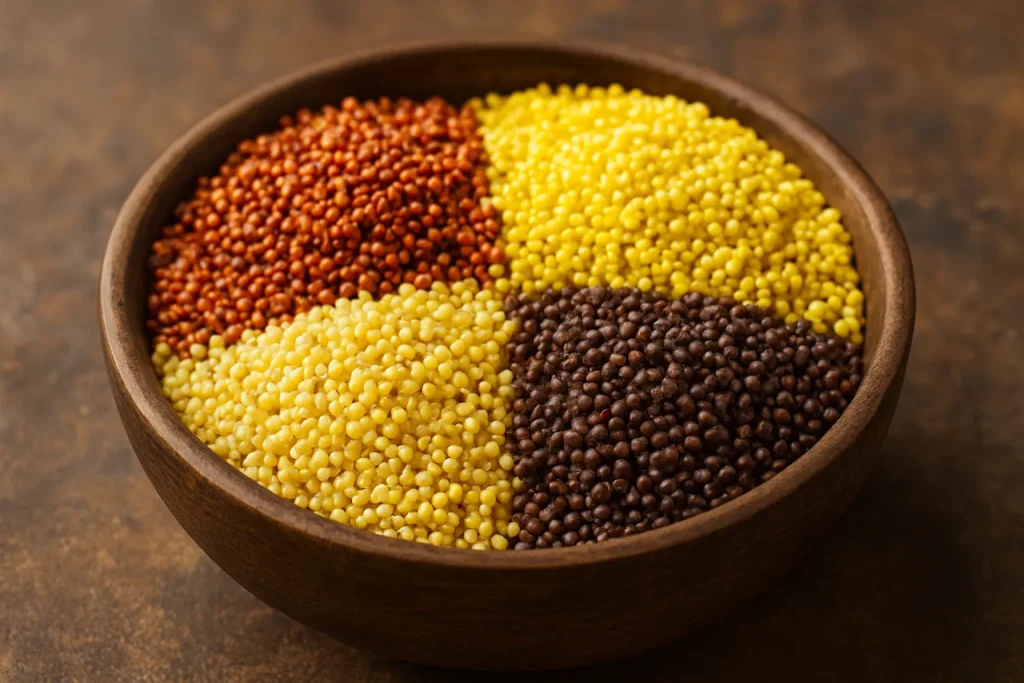
With the efforts of the people of India and due to the high benefits of millets, 2025 has been declared as the UN Year of Millets, thus proving it as the best Ayurvedic superfood. Millets like ragi, bajra, jowar, and foxtail millet are gluten-free, rich in fiber, and rich in minerals. Millets help in balancing blood sugar, boost metabolism that will help in weight management, and improve digestion and immunity of the body.
You can replace white rice or wheat with millet-based rotis, dosas, paratha, and chesla. Millets are used in modern recipes like millet granola, energy bars, and millet pasta. These modern foods help children to adapt to an Ayurvedic lifestyle without any compromise with taste and options available.
How to Add These Superfoods to Your Daily Diet
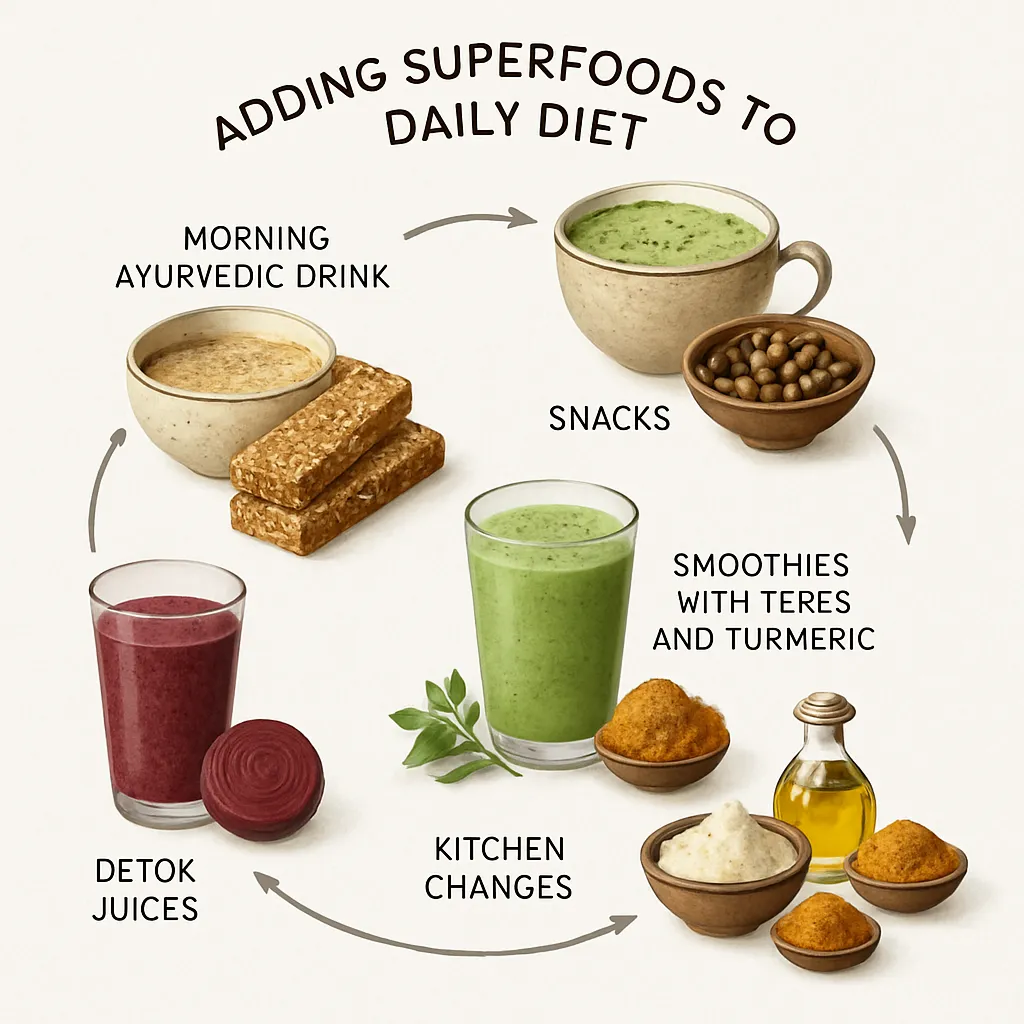
Following are the ways to add these superfoods to a daily diet that will help in boosting immunity, metabolism, and gut health:
- You can start your day with some ayurvedic drink like herbal tea, amla juice, tulsi tea, lemon water, or any vegetable juice that is available in your house.
- You can eat millet bars or roasted moringa seeds as snacks that will reduce junk food consumption and protect you from various harmful diseases in the long term.
- If you like to have smoothies, then you can add ashwagandha, moringa, curry leaves, pudina leaves, and turmeric powder that will enhance the taste and look of the smoothie.
- You can bring some changes to your kitchen, like you can use oil or ghee. Use wheat instead of millets. You can replace white sugar with jaggery, raisins, honey, and dates that are a natural source of sweetness.
- You can use turmeric in daily dishes; it is the best source for boosting immunity.To detox your body, you can use giloy, amla, ashgurad juice, and beetroot juice that will also help in boosting immunity.
- These small changes with consistency will help you in switching from junk food available in the market to these modern superfoods without any hard efforts.
Ayurveda vs. Modern Superfood Trend
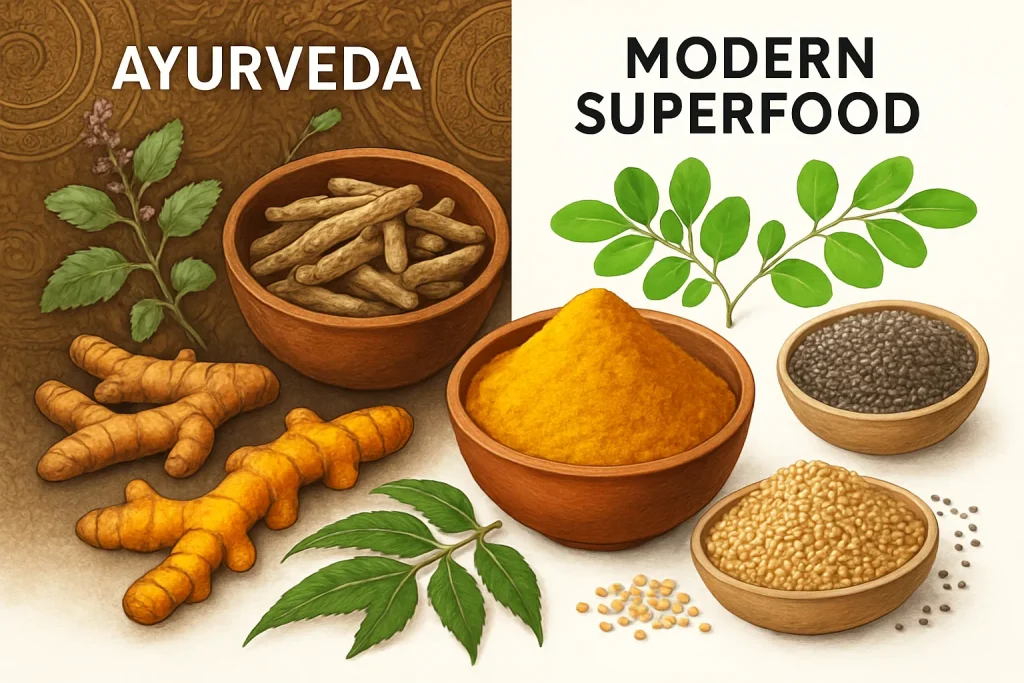
- Ayurveda superfood
Ayurveda has had many superfoods for centuries. You can find these foods from local sources in seasonal time. These foods are affordable, fresh, nutritious, and an easy source of energy. It helps in providing nutrients while balancing pitta and kapha doshas. It plays an effective role in preventive healing without any side effects on the body if taken after an Ayurvedic doctor’s consultation.
- Modern superfood
Modern nutrition foods like quinoa, chia seeds, spirulina, and avocado are full of nutrients but have higher market prices because they are imported goods from different countries worldwide. Middle-class families are not able to buy, thus creating a difference in the society while having fewer nutrients as compared to fresh food available in India.
Conclusion
From 2020 till now, even after stepping into 2025, we are still trying to get success in the field of Ayurveda that not only boosts the immunity system of the body but also has no side effects on an individual.
The best Ayurvedic foods are amla, tulsi, curry leaves, pudina, ashwagandha, millets, etc., which are the best traditional remedies to treat any disease while helping in boosting immunity, energy, and positivity and reducing stress and anxiety. If you find it hard to adapt to an Ayurvedic lifestyle, then start adapting with one Ayurvedic superfood every week, and when you see the difference in your health, mood, and energy, it will give you motivation to maintain the consistency.
The Ayurveda lifestyle is simple: you have to eat consciously and live mindfully, and food will become the medicine that will heal your body, and you will be able to live a healthy and happy life.
FAQs
Q1. What are the best Ayurvedic superfoods for immunity?
In Ayurveda immunity boosters are superfoods like amla, giloy, tulsi, ashwagandha, citrus fruits, berries, leafy greens, garlic, ginger, yogurt, nuts, seeds, walnuts, flaxseeds, and turmeric.
Q2. Can I take Ayurvedic herbs daily?
Yes, there are many Ayurvedic herbs like tulsi, curry leaves, pudina leaves, and moringa leaves that can be taken daily in a specific amount or as guided by the doctor. If possible, consult an Ayurvedic doctor for dosage.
Q3. Which Ayurvedic superfood is best for weight loss?
Ayurvedic superfoods like tulsi, methi seeds, jeera seeds, cinnamon, beetroot, millets, and moringa are the best sources for weight management if taken in the right way at the right time. These foods are rich in nutrient density and boost metabolism.
Q4. Are Ayurvedic superfoods safe for kids?
Yes, Ayurvedic superfoods are safe for kids because Ayurvedic foods like amla, ghee, and millets have lots of nutritional benefits that are safer for children, but herbs like ashwagandha and giloy should be given to children after consultation with the specialist for a limited period of time.


